
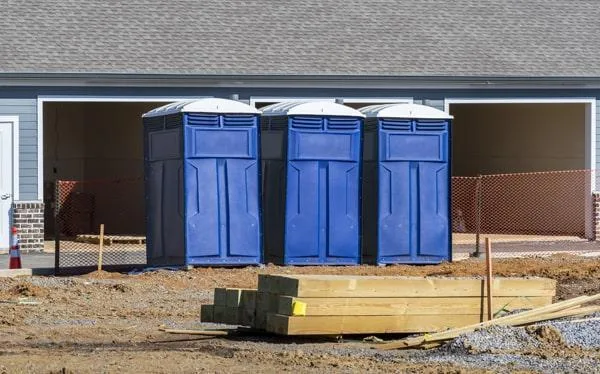
Set up for the people actually on the job
Include the trades and shifts that overlap, not just the number employed by one contractor. Explain whether workers have any permitted permanent bathrooms and how far those are from the active area. Standard toilets are one starting option; washing and accessible needs need their own specification.
A site manager should discuss applicable workplace sanitation requirements with the responsible parties. This rental enquiry helps define equipment and service; it is not a substitute for that responsibility or a compliance certificate.
Keep care practical as the job changes
Ask for a pumping, cleaning and replenishment arrangement suited to continuing use. A usable service approach must remain after materials, machinery and temporary fencing arrive. Give the provider gate arrangements and a site contact who can receive service visits.
Tell the rental contact when additional trades arrive, shifts change or the job is extended. Asking early allows the equipment and care proposal to be reviewed; an initial order should not be treated as fixed for every later phase.
Coordinate sanitation and debris separately
Toilets and a dumpster should not compete for the same working access. For waste-container hire, describe the material and loading area as a separate requirement. Keep sanitation units away from reversing and loading operations and leave the restroom approach clear for workers.
Define the start and finish of the hire
Include early site preparation and final cleanup in the dates. Discuss delivery, periodic care, supplies and collection in the written proposal, along with any extension or relocation process. The final inspection date and the date everyone leaves the job may be different.