
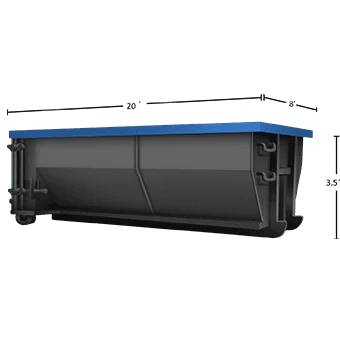
Allow for the truck as well as the box
Give the provider an accurate description of the entrance, overhead obstructions, turn and proposed unloading position. A container may fit when parked but still be impossible to place from that approach. Ask what clearance the offered truck and container need; do not infer it from a photograph.
If the container has a loading door, allow the confirmed operating space for that door and the people loading it. Keep public walkways, doors and site traffic routes clear.
Plan the load within the agreed conditions
Describe the materials and ask about sorting, weight and fill restrictions. Dense rubble and bulky light items create different constraints. Follow the provider’s instructions on loading and prohibited materials, and do not force a larger load into a smaller container by allowing material to project above it.
Discuss any uncertain item before it is loaded. The container is not an unrestricted disposal option for every substance found during a renovation.
Coordinate an exchange when the project continues
If the work may need more than one load, ask how an exchange is requested and how its timing and charges are confirmed. Leave access to remove the existing container and place the replacement. A full container should not be boxed in by deliveries, parked vehicles or new fencing.
Keep final pickup explicit
Confirm the loading deadline and collection process. Ask the quote to distinguish delivery, hire period, disposal or weight conditions, exchanges and extra days. Where sanitation units are on the same site, give the two services separate usable positions so one collection does not block the other.